会社概要
最新のアップデート
最新の企業および業界ニュースを提供します
2026-11-12
かつてあるバイヤーは、ポリエステル 100% のジャケット シェルのサンプルを返品し、その際に 1 行のフィードバックを添えました。着用者は防水シートのような感触だと言いました。生地はすでに摩耗、色落ち、収縮のテストに合格していたため、テストレポートには苦情を説明するものは何もありませんでした。その原因は構造にありました。粗いフィラメント糸、緻密な平織り、そしてハードなヒートセットです。 ポリエステルの柔らかさは決まった順序で決まります。最初に繊維と糸が作られ、次に織りと仕上げが行われ、その後に洗濯サイクルが行われます。ホームケアでは、繊維の表面に付着しているものを取り除き、生地を少し緩めます。デニールを変更...
2026-11-05
スペックシートには、ポリエステル 90%、スパンデックス 10%、180 gsm、4 方向ストレッチという、落ち着いた 3 つのラインが表示されます。 3 つの工場がそれを引用し、3 つの異なる生地が戻ってきました。1 つは 105% の伸び、もう 1 つは 145% の伸び、もう 1 つは 3 回洗濯すると回復力がなくなりました。ブレンド率だけでは、完成重量、延伸方向、工場がどのようにエラスタンをヒートセットするかを知るまでは、ほとんどわかりません。 短いバージョン: ポリエステル 90 スパンデックス 10 は、耐久性のある構造、速乾性、予測可能な価格設定を実現するストレッチフォワード ニットで、スポーツ...
2026-10-26
ジャケットが市場で失敗した場合、バイヤーが最初に非難するのは裏地であることがよくあります。これは着用者の体に最も近い層であり、ジャケットが長時間の通勤中にべたつくか、雨の中の散歩後に湿っているか、風の強い朝に寒く感じるかが決まります。アパレル チームやアパレル工場にとって、ジャケットの裏地生地の選択は、スタイリングを後から考えるというよりは、技術的な調達の決定となります。 長年の織物供給から得た実際的な結論は次のとおりです。理想的なジャケットの裏地生地は、湿気管理、スリップ、断熱性、構造重量の 4 つの変数とジャケットの最終用途とのバランスを考慮して選択されます。ワーク ジャケットとブレザーに同じ裏地が必要に...
業界の知識
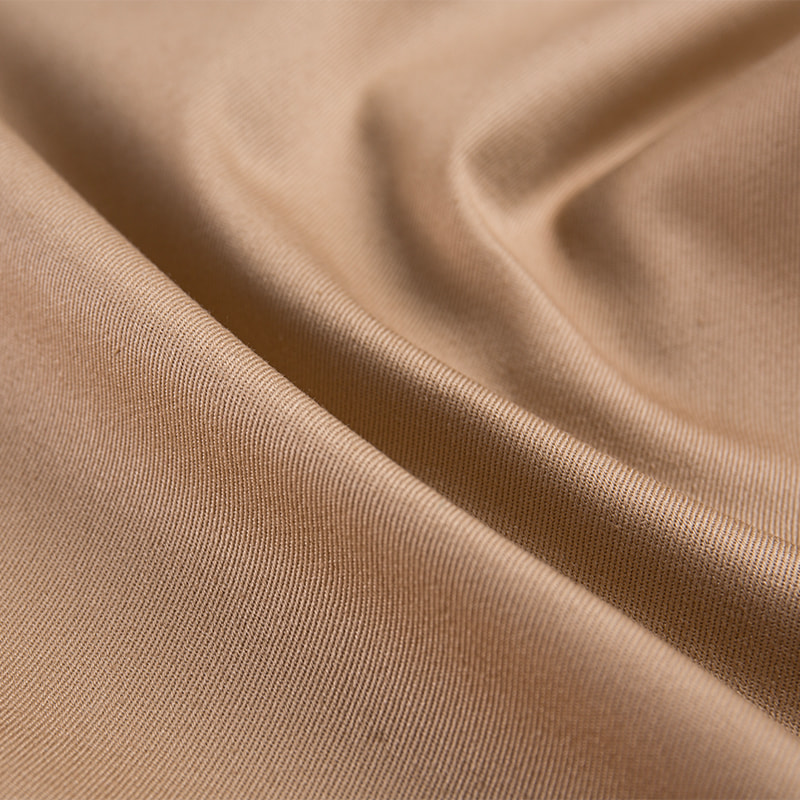
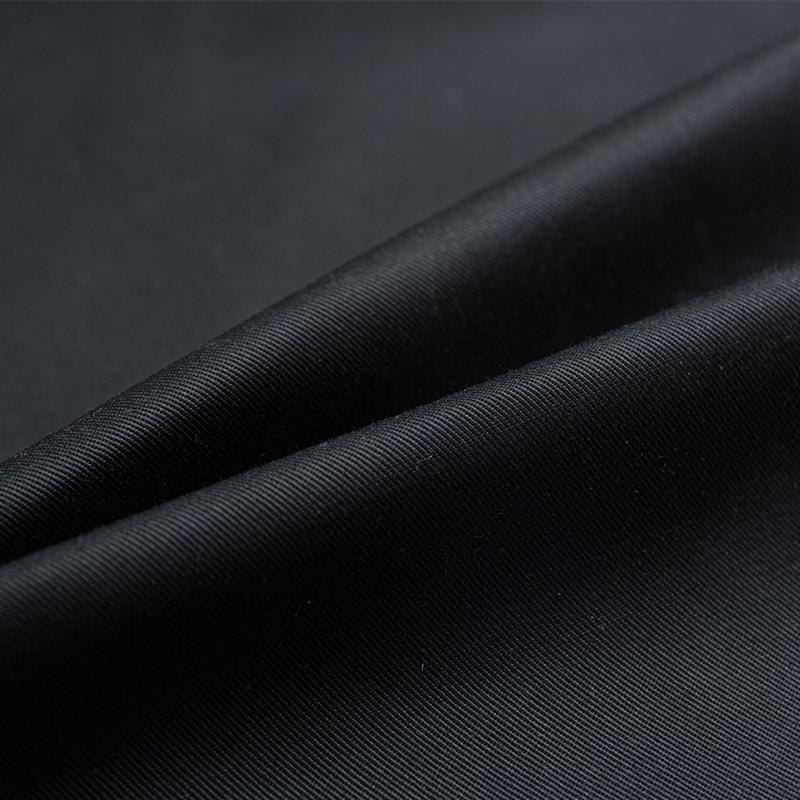
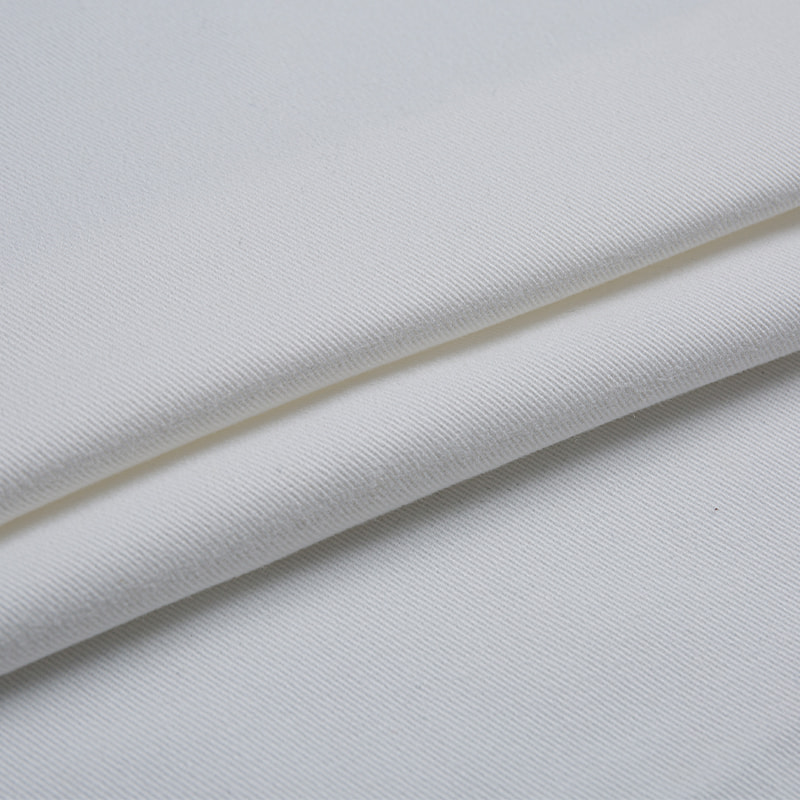
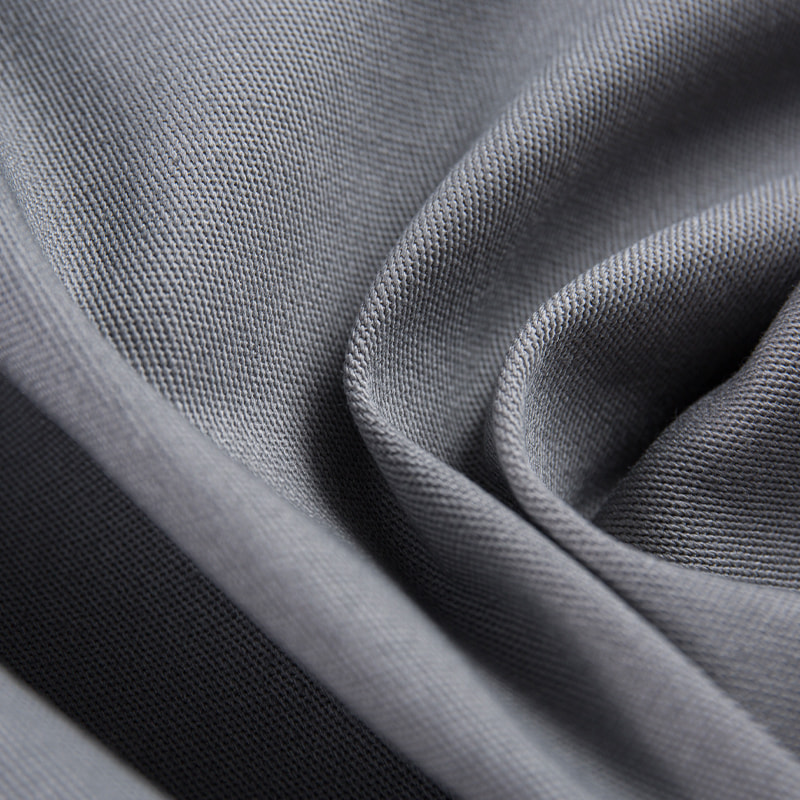
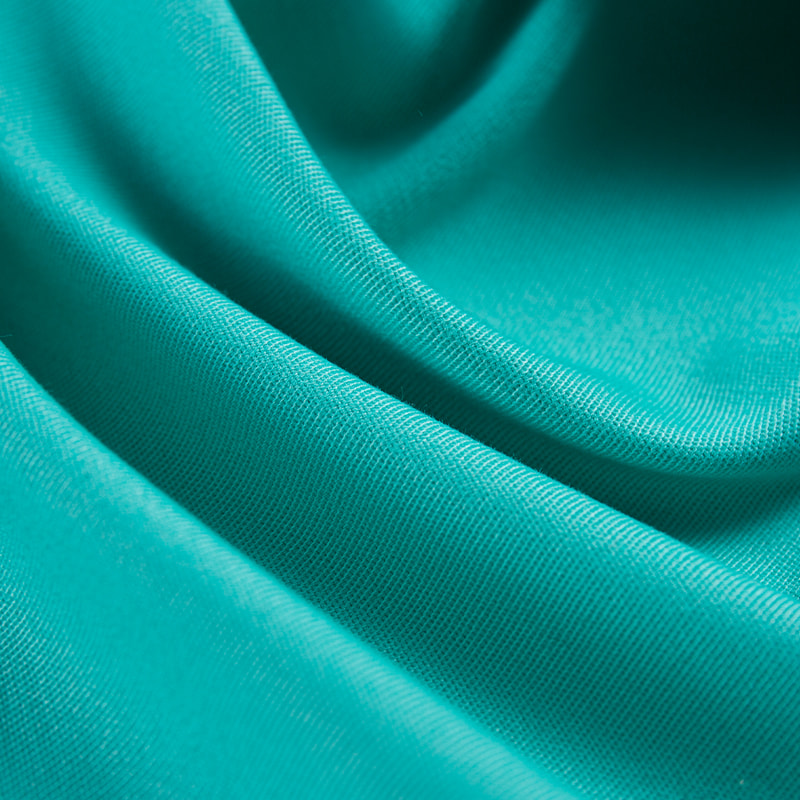
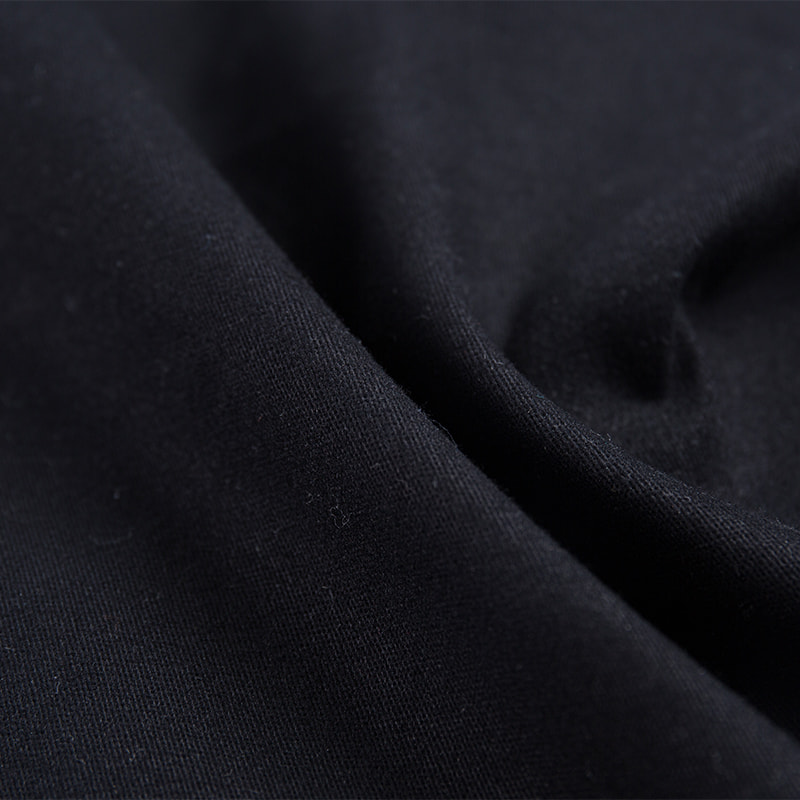
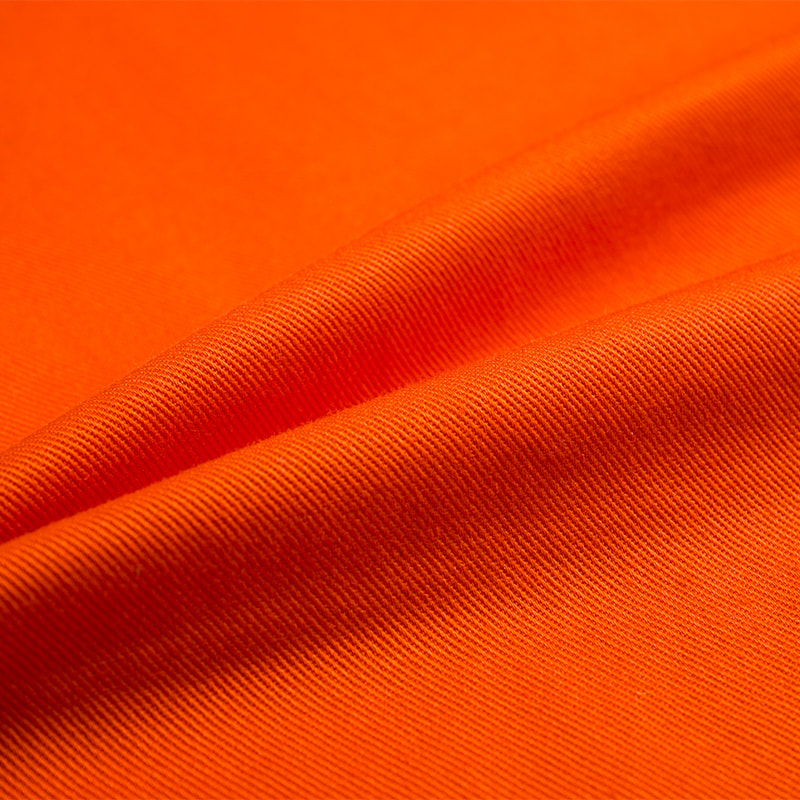
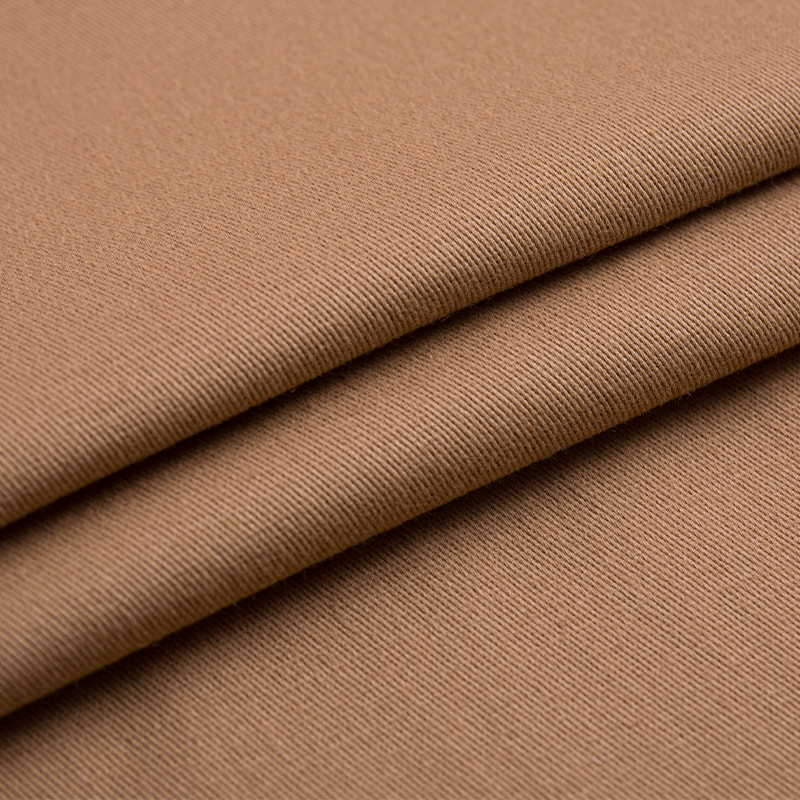
In the competitive landscape of woven textiles, selecting the right base fabric determines not only the durability of the final garment but also the efficiency of the cutting room and the drape on the retail floor. As a vertically integrated supplier with deep roots in the European and American supply chains, we understand that modern brands require more than just a roll of cloth—they require a strategic component. This guide delves into the specific performance characteristics of Twill Drill constructions, focusing on the distinct advantages of TC Twill Drill Fabric, Stretch Polyester Twill Drill Fabric, Sustainable Twill Drill Fabric, and Viscose Cotton Twill Drill Fabric. Whether you are developing a structured workwear line, a fluid utility pant, or a eco-conscious capsule, understanding the molecular and mechanical differences of these substrates is paramount.
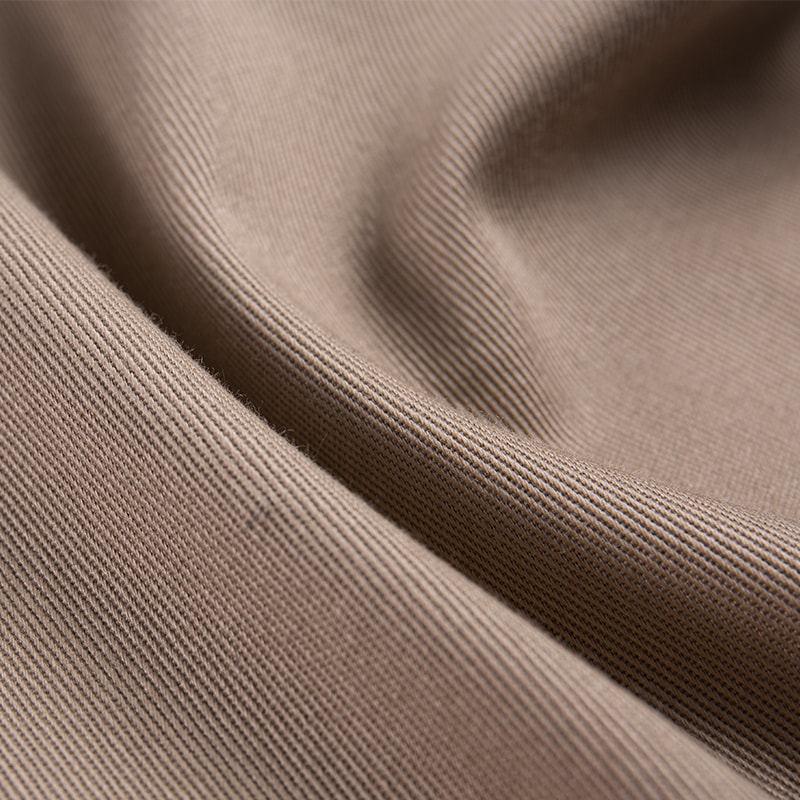
The term "Drill" refers to a specific subset of twill weaves characterized by a steep, pronounced diagonal rib and a significantly higher yarn count than standard twills. Unlike a 2/1 twill often found in lightweight shirting, true drill fabric typically employs a 3/1 or 4/1 warp-faced construction. This structural density is what makes TC Twill Drill Fabric a staple in the industry. The "TC" designation—Polyester/Cotton blend—represents a symbiotic relationship between synthetic resilience and natural moisture absorption. The polyester filament provides high tenacity and crease recovery, while the cotton fiber ensures breathability and a soft hand feel against the skin.
While the twill drill category shares a common DNA of durability, the fiber composition dictates vastly different end-use characteristics. A pair of cargo pants destined for a construction site demands a different polymer matrix than a tailored blazer for a creative office. Below, we break down the four critical variants to inform your sourcing decisions. Each variant carries a unique value proposition regarding comfort stretch, environmental footprint, and cost-per-wear ratio.
To assist in technical design and material requirement planning (MRP), the following table outlines the standard construction parameters and performance metrics for these four fabric types. Data based on typical 220-280 GSM weight ranges.
| Fabric Type | Typical Composition | Weight (GSM) | Key Feature | Primary Application |
| TC Twill Drill Fabric | 65% Polyester / 35% Cotton | 240 - 280 | High Tensile Strength & Easy Care | Work Uniforms, Chef Wear, Aprons |
| Stretch Polyester Twill Drill Fabric | 98% Polyester / 2% Spandex | 200 - 260 | 4-Way Mechanical Stretch & Recovery | Slim-fit Chinos, Tactical Pants, Lightweight Jackets |
| Sustainable Twill Drill Fabric | rPET / Organic Cotton Blend | 220 - 270 | GRS Certified / Lower LCA Impact | Eco-conscious Corporate Wear, Bags |
| Viscose Cotton Twill Drill Fabric | 70% Viscose / 30% Cotton | 180 - 230 | Superior Drape & Color Absorption | Women's Slacks, Soft Blazers, Lining |
The procurement landscape has shifted irrevocably toward accountability. With major retail partners like those we serve prioritizing Scope 3 emissions reductions, Sustainable Twill Drill Fabric has transitioned from a niche alternative to a baseline expectation. The challenge in drill fabric sustainability lies in maintaining the rugged, crisp hand feel associated with virgin polyester while utilizing recycled feedstock. Advanced spinning technologies now allow for rPET staple fibers that mimic the resilience of virgin filament, ensuring that a recycled workwear pant performs identically through fifty industrial wash cycles. Furthermore, the integration of LENZING™ ECOVERO™ viscose fibers in our blended options offers up to 50% lower water impact compared to generic viscose, a critical factor for brands focused on water stewardship.
The modern workforce demands apparel that moves with the body, not against it. This is where Stretch Polyester Twill Drill Fabric excels. However, not all stretch is created equal. Inferior mechanical stretch finishes (calendar-based) wash out over time, leading to garment distortion. We specialize in woven-in stretch, where elastomeric yarns are integrated directly into the weave structure. This creates a "power stretch" effect—providing resistance that supports the muscle during movement while snapping back to the original silhouette. For technical outerwear or mid-layer work shirts, this fabric eliminates the need for oversized pattern cuts, thereby reducing fabric consumption and waste in the cutting room. The result is a sleeker, more professional appearance without the restriction often associated with rigid workwear.
While traditional drill is associated with ruggedness, Viscose Cotton Twill Drill Fabric represents the sartorial evolution of the weave. By introducing high-tenacity viscose staple fibers, we disrupt the stiffness of the twill line. This creates a fabric that holds shape but moves with a liquid-like fluidity. It is particularly suited for the "soft tailoring" trend dominating contemporary womenswear. The cotton component provides the necessary body to prevent the garment from clinging, while the viscose offers a cool, breathable touch perfect for year-round comfort in office environments. Moreover, the cellulose base of viscose allows for deeper, more vibrant dye penetration than pure polyester, yielding blacks that are truly black and jewel tones that remain rich after multiple dry cleaning cycles.
The primary distinction lies in the weave density and yarn composition. Standard twill (often a 2/1 weave) is more porous and lighter, typically used for shirting or linings. TC Twill Drill Fabric utilizes a steeper 3/1 or 4/1 weave with a much higher pick count per inch. The "TC" (Tetoron Cotton/Polyester Cotton) blend further enhances this density, creating a fabric that is significantly more resistant to tearing, abrasion, and pilling. In practical terms, a standard twill work shirt may last 6 months in a heavy industrial setting, whereas a garment made from proper drill fabric will often last 2-3 years, making it the more cost-effective choice over the garment's life cycle.
Inferior quality stretch fabrics do experience what is termed "creep"—a permanent elongation of the spandex fiber—after repeated high-heat laundering. However, our premium Stretch Polyester Twill Drill Fabric is engineered with a heat-set stabilization process. This process locks the spandex molecular structure while the fabric is held at a specific width and tension. As a result, the fabric exhibits less than 5% growth after 50 home launderings. To maximize the lifespan of the elastane, we advise industrial users to avoid autoclaving at temperatures exceeding 150°C (302°F) for prolonged periods.
Verification comes through third-party certification, specifically the Transaction Certificate (TC) issued under the Global Recycled Standard (GRS). When sourcing Sustainable Twill Drill Fabric, you should request a copy of the Scope Certificate (SC) from the mill and the corresponding TC for the specific lot of fabric purchased. This document traces the recycled content from the bottle flake stage through yarn extrusion, weaving, and finishing. It is a financial-grade audit trail that ensures the recycled content claim is accurate. Be wary of suppliers who only offer self-declared "eco" labels without a GRS or RCS certification number.
Absolutely, provided the correct weight and interfacing are selected. Viscose Cotton Twill Drill Fabric in weights above 210 GSM has sufficient body to hold a tailored silhouette while offering a distinct advantage over wool or poly-wool: it is washable (with care) and significantly more breathable in humid climates. For blazer construction, we recommend a medium-weight fusible knit interfacing rather than a stiff woven interfacing. This pairing maintains the natural, fluid drape of the viscose while providing the necessary structure in the lapel and shoulder area. It is an excellent choice for travel suiting and spring/summer office wear.
Due to the density of TC Twill Drill Fabric and the directional nature of the twill line, special handling is required to prevent torque (twisting) in the finished garment. The following guidelines ensure production efficiency and garment quality: